

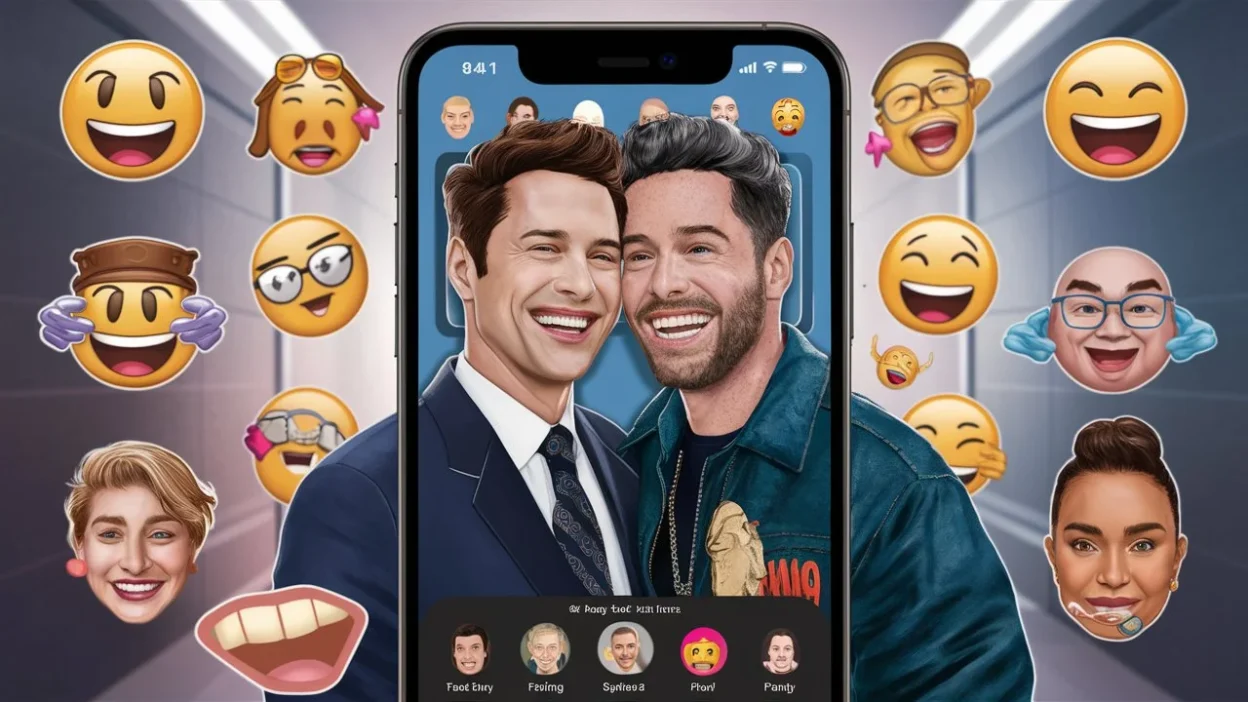
In recent years, face-swap technology has gone from a novelty trick to a widely accessible digital tool with numerous applications. From mobile apps that let you swap faces with friends or celebrities to advanced AI platforms used in filmmaking and marketing, face-swapping is reshaping the way we interact with visual media. Understanding what unlocking face-swap means and what it offers can help users navigate its potential, benefits, and limitations responsibly.
This guide explores the technology, practical uses, and the exciting opportunities it presents in the digital age.
What Is Face-Swap Technology?
Face-swap refers to the process of digitally exchanging faces between two people or inserting a face into another image or video. Early versions relied on simple image manipulation, but modern systems use artificial intelligence (AI) and machine learning, particularly deep learning algorithms, to generate highly realistic swaps.
Key aspects include:
- Detecting facial features accurately
- Mapping one face onto another’s expressions and angles
- Blending skin tones, lighting, and textures
- Maintaining natural movement in videos
The result is a convincing transformation that can look indistinguishable from real-life images or clips.
Unlocking Face-Swap: What It Means
“Unlocking face-swap” can have several interpretations depending on the context:
- Enabling App Features: Many face-swap apps require subscriptions or premium access to unlock advanced capabilities, such as high-resolution outputs or video face-swapping.
- Accessing AI-Powered Tools: Unlocking may also refer to using AI-powered software that allows users to swap faces seamlessly in images and videos, often with more realism than free or basic tools.
- Exploring Creative Possibilities: Unlocking can mean discovering the full creative potential of face-swap technology, including customization, filters, and integration with other digital media tools.
Essentially, unlocking face-swap is about moving beyond limited, basic features to harness the full range of capabilities offered by modern software.
What Face-Swap Offers
1. Entertainment and Fun
The most common use of face-swap is entertainment. Apps allow users to:
- Swap faces with friends or celebrities
- Try humorous or themed filters
- Create memes and viral content
These features make social media interactions more engaging and playful.
2. Creative and Marketing Applications
Face-swap technology is increasingly used in professional creative work:
- Advertising: Brands can showcase products with familiar faces or influencers without complex photoshoots
- Film and Video: Face-swapping can help create realistic stunts, visual effects, or digital doubles
- Content Creation: Social media creators use it to produce engaging, shareable content
This versatility allows creators to experiment while saving time and resources.
3. Education and Training
Face-swap can also serve educational purposes:
- Medical Training: Simulating facial procedures or expressions for practice
- Psychology Studies: Understanding emotional responses by switching identities in scenarios
- Language Learning: Creating interactive video materials using familiar faces
These applications highlight how technology can be leveraged beyond entertainment.
4. Personalized Experiences
Modern face-swap platforms allow users to personalize content:
- Swap your face into movie scenes
- Place yourself in historical photos
- Create virtual greeting cards or invitations
Personalization enhances engagement and user satisfaction, especially in social or professional contexts.
5. Ethical and Privacy Considerations
While face-swap offers exciting possibilities, it comes with responsibilities:
- Avoid unauthorized use of someone else’s face
- Be cautious with deepfake technologies that can mislead or defame
- Respect platform policies and legal regulations
Ethical usage ensures that face-swap remains a positive tool rather than a source of harm or misinformation.
How AI Enhances Face-Swap
The rise of AI has dramatically improved face-swap quality:
- Deep Learning: Neural networks analyze and map facial structures for realistic swaps
- Motion Tracking: AI maintains natural movement in video face-swaps
- Lighting and Texture Adjustments: Machine learning ensures skin tones and shadows blend seamlessly
- Automatic Background Processing: AI separates faces from backgrounds for cleaner edits
These advancements have turned face-swapping into a powerful creative and practical tool.
Choosing the Right Face-Swap Tool
When exploring face-swap technology, beginners and professionals should consider:
- Purpose: Entertainment, content creation, or professional projects
- Ease of Use: User-friendly apps vs. advanced AI software
- Privacy and Security: How data is stored and processed
- Output Quality: Image resolution, video realism, and customization options
Selecting the right tool ensures a smoother, more enjoyable experience while minimizing risks.
Future of Face-Swap Technology
The future of face-swap technology promises even more innovation:
- Real-time video swapping for live streaming
- Integration with virtual reality (VR) and augmented reality (AR) experiences
- Advanced personalization with emotion and expression matching
- Ethical AI frameworks to prevent misuse
As technology evolves, face-swap is likely to become a mainstream tool for entertainment, professional media, and education.
Conclusion
Unlocking face-swap opens the door to a wide range of possibilities—from playful social media fun to professional creative projects and educational applications.
By understanding what it means and what it offers, users can make informed decisions, enjoy the technology responsibly, and explore its full potential.
Whether you are a casual user, a content creator, or a professional seeking innovation, face-swap technology represents a new frontier in digital media.
The key is to balance creativity with ethical responsibility, ensuring that face-swapping remains a tool for connection, entertainment, and smart innovation.


