

SOS is an internationally recognized distress signal meaning “Save Our Souls” or “Save Our Ship.”
It is used to indicate an urgent call for help, whether at sea, in emergencies, or in modern texting as a slang way to request assistance.
Despite its apparent simplicity, SOS has a rich history, cultural relevance, multiple modern uses, and even slang interpretations in texting and social media.
This guide explores all aspects of SOS—its origin, meaning in emergencies, slang usage, cultural significance, technological applications, and practical examples.
Origin and History of SOS
SOS originated in the early 20th century as a Morse code distress signal.
Key facts:
- Introduced in 1905 during the International Radiotelegraphic Convention.
- Chosen for its simplicity: three short, three long, three short signals:
... --- .... - It became a global standard for emergency communication at sea.
- Though often thought to stand for “Save Our Ship” or “Save Our Souls,” it is not technically an acronym.
Why SOS was adopted:
- Easily recognizable in Morse code.
- Distinct pattern that is hard to misinterpret.
- Works in various communication modes: radio, light signals, tapping, and even visual signals.
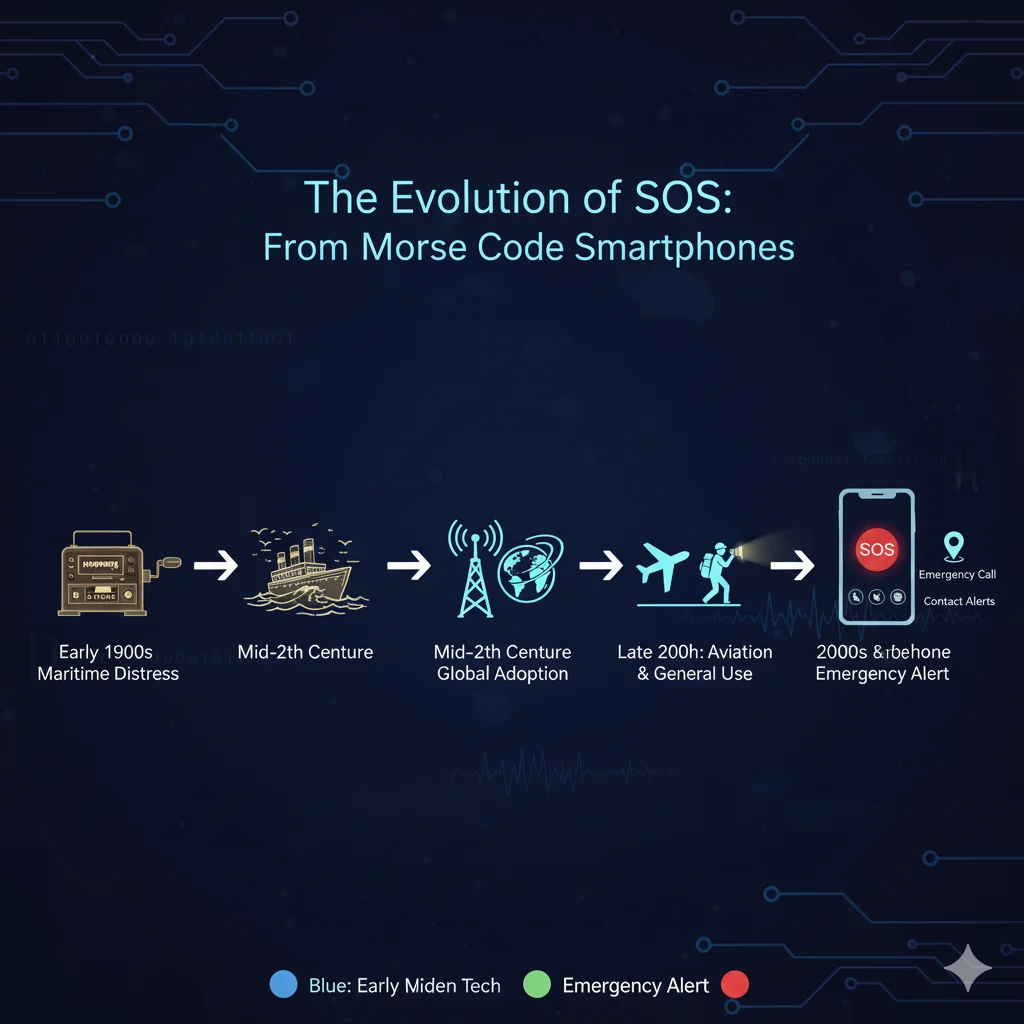
Morse Code for SOS
SOS in Morse code is:
... --- ...
- Three short signals (dots)
- Three long signals (dashes)
- Three short signals (dots)
It is one of the simplest distress codes for speed and clarity, especially in emergencies.
SOS Meaning in Emergencies
SOS is universally used to signal danger or urgent need for help.
Common emergency contexts:
- Ships and boats in distress
- Aircraft emergencies
- Natural disasters
- Stranded hikers or adventurers
- Radio distress calls
Differences between SOS and Mayday:
| Term | Usage | Communication Type |
|---|---|---|
| SOS | Morse code, visual signals | Ship, radio, light, sound |
| Mayday | Spoken call | Aviation, maritime voice communication |
Modern Uses of SOS in Technology
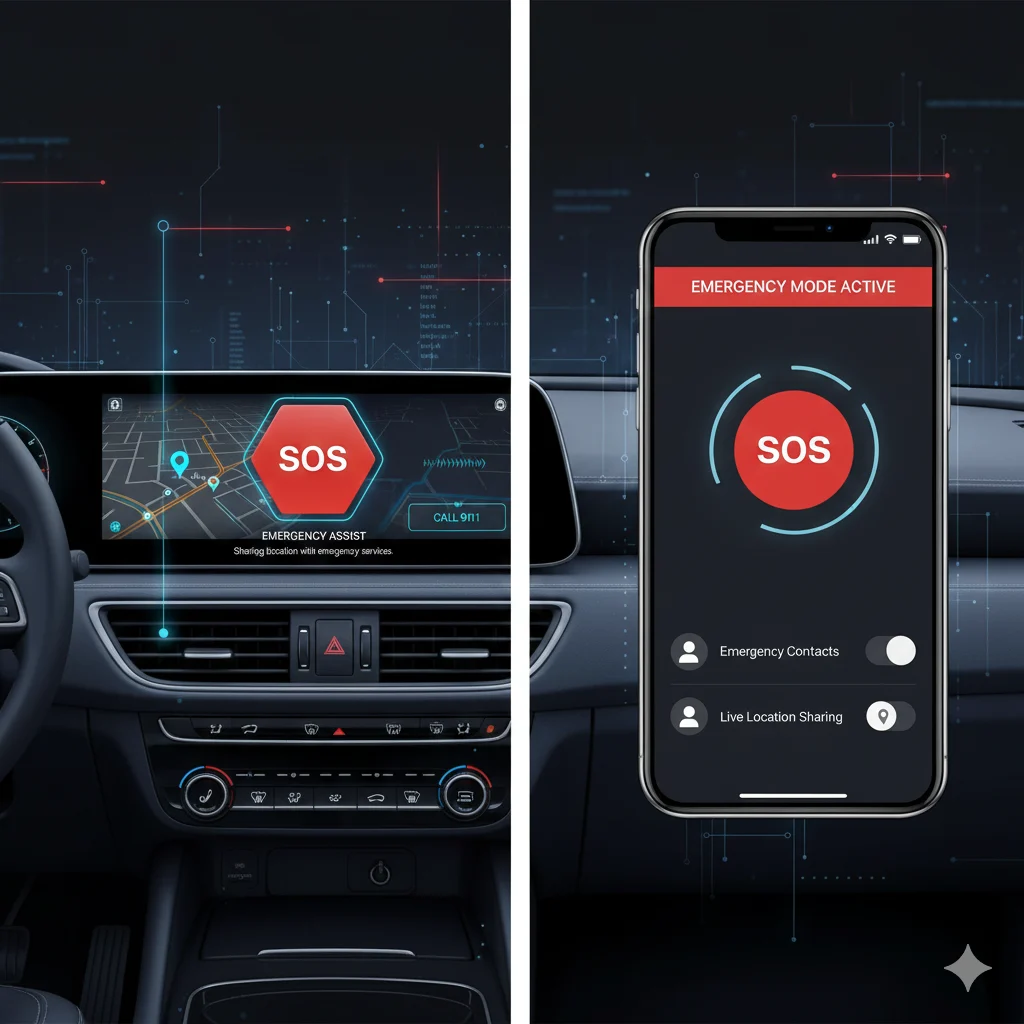
SOS is now used widely in smartphones, cars, and apps.
Smartphones:
- SOS Mode or “Emergency SOS” can call authorities automatically.
- Some devices can share location during emergencies.
- Emergency alerts via SMS or satellite.
Cars:
- SOS buttons connect to roadside assistance or emergency services automatically.
- Used in modern vehicles to report crashes.
Apps:
- Many survival and health apps use SOS for quick alerts.
- Used for panic buttons or alerts in safety apps.
SOS in Texting and Slang
In texting, social media, and memes, SOS has evolved beyond emergencies.
Slang meanings include:
- “Help me!”
- “I’m stressed”
- “Urgent situation”
- “Save me from this” (humorous or dramatic)
Examples:
| Message | Meaning |
|---|---|
| “SOS! I can’t find my keys” | Immediate help needed |
| “SOS this homework is impossible” | Stressed out, dramatic |
| “SOS my phone died” | Urgent problem |
| “SOS she’s texting me again” | Humorous/emotional panic |
The slang usage is common among teens and social media users.
Emotional and Symbolic Meaning of SOS
Beyond emergencies, SOS represents a cry for help in emotional or mental contexts.
Emotional meanings:
- Feeling overwhelmed
- Seeking urgent attention
- Desperate need for support
- Anxiety or panic
- Humorously exaggerated stress
It can be a cry for emotional rescue in personal situations.
SOS in Popular Culture
SOS appears often in music, movies, and media:
- Music:
- “SOS” by Rihanna
- “SOS” by ABBA
- Movies and TV:
- Survival movies often feature SOS signals.
- Characters send Morse code or flares to indicate danger.
- Memes and Social Media:
- SOS is used humorously to describe daily life stress.
- Example: “SOS, Monday again 😭”
Pop culture often uses SOS to communicate urgency, drama, or humor.
Misconceptions About SOS
Many people misunderstand SOS:
| Misconception | Reality |
|---|---|
| SOS stands for “Save Our Souls” | Popular belief, not official |
| Only used for sea emergencies | Used in any life-threatening situation |
| Invented for Titanic | Used earlier, Titanic adopted it |
| SOS equals Mayday | Mayday is spoken; SOS is code |
| Modern texting SOS = real emergency | Often humorous or dramatic in slang |
How to Use SOS Properly
In emergencies:
- Use Morse code
... --- ... - Use radio, light, or tapping signals
- Call local authorities if possible
In texting or social media:
- Use SOS to show urgency, panic, or stress
- Pair with context for clarity
- Avoid using SOS casually in serious emergency scenarios
Common SOS Symbols
SOS can be represented as:
- Morse code:
... --- ... - Visual signals: flags, flashlights, flares
- Written “SOS” in large letters on a beach, snow, or open field
Visual examples:
- Draw large SOS in sand for rescue visibility
- Use flashlight signals at night
- Car or phone emergency buttons labeled SOS
FAQs
What is the simple meaning of SOS?
SOS is a call for help or urgent distress signal, used at sea, in emergencies, and in modern slang.
Does SOS really mean “Save Our Souls”?
Not officially. This is a popular mnemonic. SOS is a Morse code distress signal.
What does SOS mean on a phone?
It often indicates Emergency SOS mode or a call to authorities when the phone detects danger or you press an SOS button.
Is SOS still used today?
Yes. It is used in maritime emergencies, smartphones, cars, safety apps, and texting slang.
What is the difference between SOS and Mayday?
SOS is a Morse code/visual signal. Mayday is a spoken emergency call, typically used in aviation or maritime voice communication.
Conclusion
SOS is one of the world’s most recognizable distress signals, representing both physical emergencies and emotional cries for help. From its origin as a Morse code signal to its evolution in modern texting, social media, and technology, SOS remains universally understood.
Whether on the high seas, in your smartphone, or as a meme, SOS communicates urgency, immediacy, and the need for action. Understanding its historical, technological, and social contexts ensures that the term is used responsibly and effectively.