
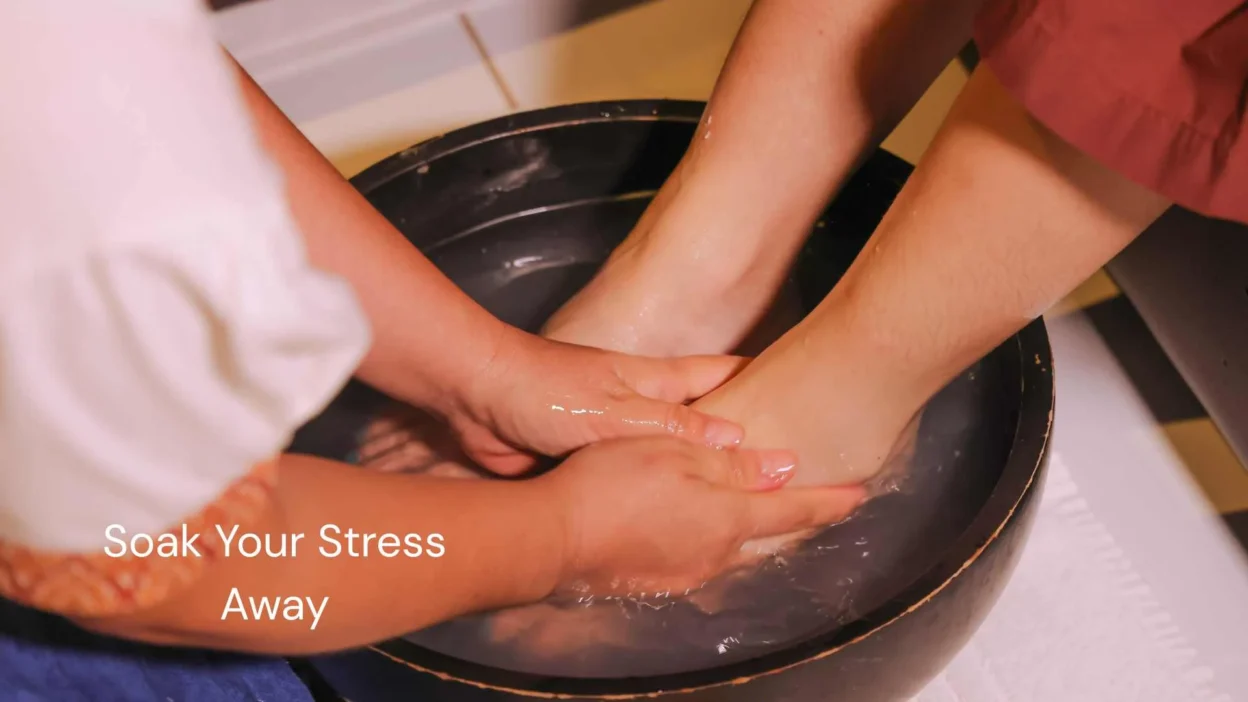
In today’s fast-paced world, stress feels almost unavoidable. From endless screen time and long work hours to mental overload and poor sleep, our bodies and minds rarely get a true break. While many people search for complex wellness routines or expensive therapies, one of the most effective stress-relief solutions is surprisingly simple: a warm bath.
For centuries, cultures around the world have embraced bathing rituals not just for cleanliness, but for healing, relaxation, and emotional balance. Modern science now supports what ancient traditions always knew—warm baths can deeply benefit your physical health, mental well-being, and overall quality of life.
In this detailed guide, we’ll explore how warm baths help you soak your stress away, uncover the science behind their calming power, and show you how to turn an ordinary bath into a powerful self-care ritual.
Why Warm Baths Feel So Good
The comfort of a warm bath isn’t just psychological—it’s physiological. When your body is immersed in warm water, several calming processes begin immediately.
Warm water helps dilate blood vessels, improving circulation and delivering oxygen and nutrients more efficiently throughout the body. This increased blood flow relaxes tense muscles and reduces physical discomfort, which in turn signals the brain that it’s safe to relax.
At the same time, warm baths stimulate the parasympathetic nervous system—the part responsible for rest and relaxation. This reduces the production of stress hormones like cortisol while encouraging the release of feel-good chemicals such as serotonin and dopamine.
In short, a warm bath creates the perfect environment for your body and mind to unwind together.
Stress Relief: The Most Powerful Benefit of Warm Baths
Stress often lives in the body as much as it does in the mind. Tight shoulders, stiff necks, aching backs, and clenched jaws are all physical signs of emotional overload. Warm baths directly address these symptoms.
How Warm Baths Reduce Stress
- Lower cortisol levels, helping the body exit “fight or flight” mode
- Relax tense muscles, easing physical stress buildup
- Slow heart rate, promoting a sense of calm
- Quiet racing thoughts, especially when paired with deep breathing
Spending just 20–30 minutes in a warm bath can create a noticeable shift in mood. Many people report feeling lighter, calmer, and more mentally clear afterward.
Improved Sleep Quality and Deeper Rest
If stress is keeping you awake at night, warm baths may be the solution you’ve been missing. Research shows that taking a warm bath 60–90 minutes before bedtime can significantly improve sleep quality.
Why Warm Baths Help You Sleep
When you soak in warm water, your body temperature rises slightly. After you leave the bath, your temperature naturally drops, mimicking the body’s natural sleep cycle. This signals your brain that it’s time to rest.
Benefits include:
- Falling asleep faster
- Experiencing deeper sleep stages
- Reduced nighttime awakenings
- Feeling more refreshed in the morning
For people with insomnia or restless sleep patterns, warm baths can become a powerful nightly ritual.
Muscle Relaxation and Pain Relief
Warm baths are a natural remedy for muscle soreness, joint pain, and everyday aches. Whether you’ve had a tough workout, long workday, or chronic discomfort, soaking in warm water can provide relief.
Physical Benefits for the Body
- Eases muscle stiffness by increasing flexibility
- Reduces joint pressure, especially in knees and hips
- Alleviates back and neck pain
- Supports recovery after exercise
This is why athletes often use hydrotherapy and warm water immersion as part of their recovery routine.
Boosting Blood Circulation and Heart Health
One of the lesser-known benefits of warm baths is their positive impact on circulation and cardiovascular health.
Warm water causes blood vessels to widen, allowing blood to flow more freely. This can:
- Reduce blood pressure temporarily
- Improve oxygen delivery to tissues
- Support heart function
- Reduce inflammation
Some studies suggest that regular warm baths may offer mild cardiovascular benefits similar to light physical activity—especially for people who cannot exercise regularly.
Mental Health Benefits: Calm the Mind and Lift Your Mood
Warm baths don’t just relax the body—they soothe the mind. Many people find that bath time becomes a moment of mindfulness, where worries fade and mental clarity emerges.
Emotional and Psychological Benefits
- Reduced anxiety and nervous tension
- Improved mood and emotional balance
- Enhanced mindfulness and presence
- Relief from mental fatigue and burnout
For individuals dealing with anxiety, depression, or emotional stress, warm baths can act as a gentle, supportive wellness tool.
Skin Health and Detoxification
While the idea of “detoxing” can be misleading, warm baths do support the body’s natural cleansing processes—especially for the skin.
Skin-Related Benefits
- Opens pores, allowing dirt and oil to be released
- Improves blood flow to skin cells
- Promotes a healthy glow
- Enhances absorption of skincare products
Adding natural ingredients like Epsom salt, oatmeal, or essential oils can further nourish the skin and improve overall bath benefits.
Warm Baths and Muscle Recovery After Exercise
After physical activity, muscles experience tiny tears that need time and nutrients to heal. Warm baths accelerate this recovery process by increasing circulation and relaxing muscle fibers.
Athletes and fitness enthusiasts often use warm baths to:
- Reduce muscle soreness (DOMS)
- Improve flexibility
- Prevent stiffness
- Speed up recovery
While cold baths are popular for inflammation, warm baths are excellent for relaxation and long-term muscle comfort.
How Warm Baths Support Mindfulness and Self-Care
In a world filled with constant notifications and responsibilities, warm baths create a rare opportunity to slow down and reconnect with yourself.
Bath time encourages:
- Quiet reflection
- Mindful breathing
- Emotional release
- A break from screens and noise
This makes warm baths an ideal self-care ritual, helping you reset emotionally and mentally.
Enhancing Your Bath: Simple Add-Ons for Maximum Benefits
To elevate your bath experience, consider adding a few simple elements:
Epsom Salt
Rich in magnesium, Epsom salt helps reduce muscle tension and promotes relaxation.
Essential Oils
- Lavender: Calming and sleep-inducing
- Eucalyptus: Clears sinuses and refreshes the mind
- Chamomile: Soothes anxiety and stress
- Peppermint: Energizing and refreshing
Candles and Soft Lighting
Creates a peaceful atmosphere and reduces sensory overload.
Gentle Music or Silence
Soft instrumental music or complete silence can deepen relaxation.
The Ideal Temperature and Duration for a Warm Bath
For maximum benefits without discomfort:
- Temperature: 92°F to 104°F (33°C to 40°C)
- Duration: 20–30 minutes
Avoid extremely hot water, which can cause dizziness or dehydration. Always listen to your body and hydrate afterward.
Warm Baths vs. Hot Showers: Which Is Better?
While hot showers offer quick relief, warm baths provide deeper, longer-lasting benefits.
Warm Baths
- Full-body immersion
- Better muscle relaxation
- Improved stress relief
- Ideal for sleep and recovery
Hot Showers
- Convenient and time-efficient
- Good for quick tension release
- Less immersive
For stress reduction and relaxation, warm baths clearly win.
Who Can Benefit the Most from Warm Baths?
Warm baths are beneficial for nearly everyone, including:
- Busy professionals
- Parents and caregivers
- Athletes
- Seniors with joint pain
- People with anxiety or sleep issues
However, individuals with certain medical conditions (such as heart problems or pregnancy) should consult a healthcare provider before taking hot baths.
Creating a Weekly Bath Ritual for Long-Term Benefits
Consistency matters. Turning warm baths into a weekly or nightly ritual can create lasting improvements in stress levels and well-being.
Tips for a Sustainable Routine
- Choose a consistent time
- Keep your bath space clean and inviting
- Treat it as non-negotiable self-care
- Avoid multitasking or scrolling
Over time, your body will associate bath time with relaxation, making it even more effective.
The Science Behind Warm Water Therapy
Hydrotherapy—using water for therapeutic purposes—has been used for centuries. Modern research supports its benefits for stress reduction, pain management, and mental health.
Warm water therapy works by:
- Activating temperature-sensitive receptors
- Reducing nerve sensitivity to pain
- Enhancing circulation
- Promoting nervous system balance
This scientific backing explains why something as simple as a warm bath can feel so powerful.
Common Myths About Warm Baths
Myth 1: Baths Are a Waste of Time
In reality, the mental and physical benefits make them a valuable wellness practice.
Myth 2: Only Hot Baths Work
Warm—not hot—baths are safer and more effective for relaxation.
Myth 3: Baths Are Only for Relaxation
They also support circulation, sleep, muscle recovery, and mental health.
Final Thoughts: Soak Your Stress Away, One Bath at a Time
In a world that constantly demands more from us, warm baths offer a gentle reminder to slow down. They are affordable, accessible, and deeply effective. Whether you’re seeking stress relief, better sleep, muscle recovery, or a moment of peace, a warm bath can deliver all of this and more.
By turning bath time into a mindful ritual, you’re not just cleaning your body—you’re caring for your mental and emotional well-being. So the next time stress feels overwhelming, remember: sometimes the best therapy is simply warm water, quiet moments, and permission to rest.