
Ops meaning slang isn’t just a word—it’s a key to reading digital interactions correctly. If you’ve been scrolling through TikTok or listening to the latest drill tracks, chances are you’ve come across the word “ops.” You might’ve heard people say things like “watch out for the ops” or “my ops stay watching my story.”
But what exactly does Ops mean in Slang — and why has it become such a staple in online and street culture in 2025?
Let’s break it down clearly — from its roots in hip-hop to how it’s used today across social media, memes, and Gen Z humor.
What Does “Ops” Mean in Slang?
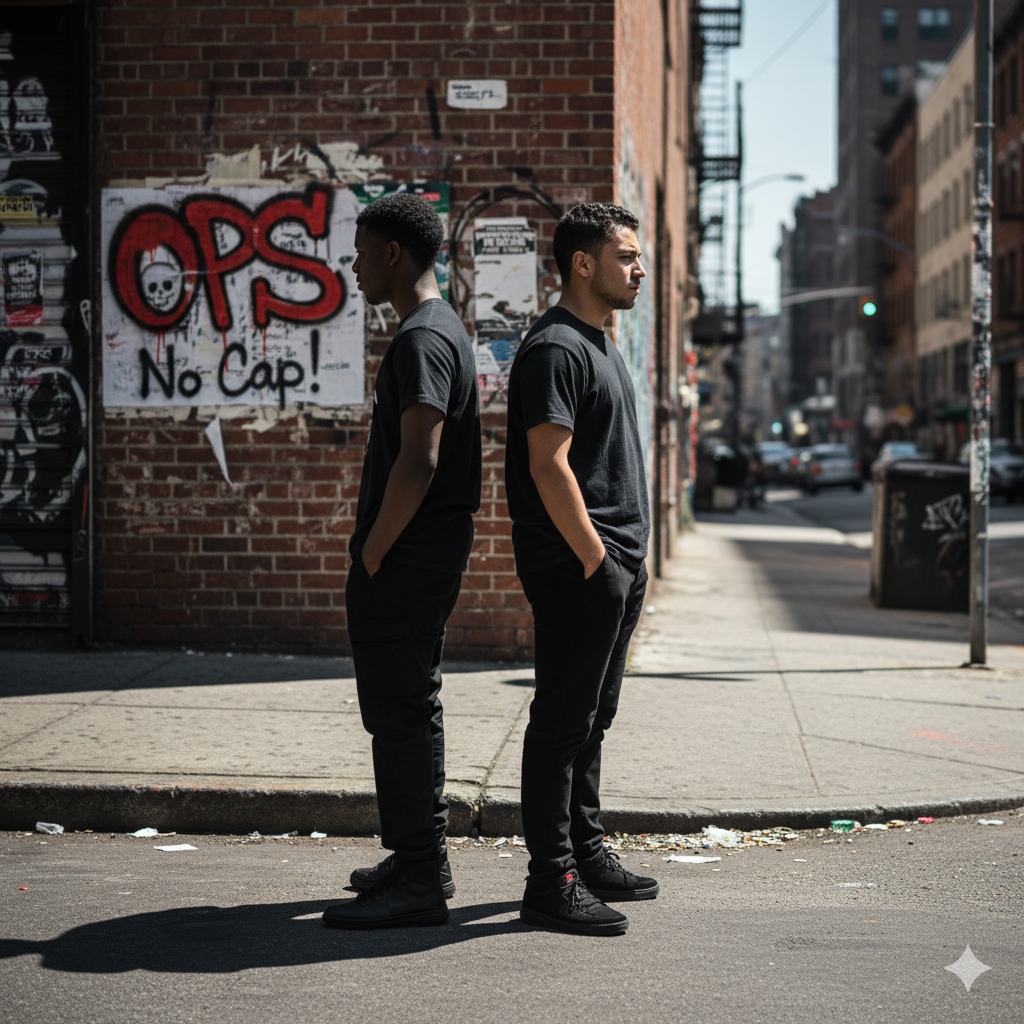
In modern slang, “ops” stands for “opposition” or “opponents.” It refers to people who are against you — your rivals, haters, or anyone trying to bring you down.
Originally, it was used in street and drill rap culture to describe rival groups or enemies. Today, Gen Z has turned “ops” into a meme-like word to describe anyone who doesn’t support you — from fake friends to online trolls.
🔹 Common Uses
- “My ops always watching but never winning 👀.”
- “Why my ops so obsessed with me?”
- “You hanging with the ops now? That’s confused 😭.”
So, “ops” can sound serious, funny, or sarcastic — depending on who says it and how.
The Origin of “Ops”
The term “ops” comes from the full word “opposition.” It started in Chicago’s drill rap scene around the early 2010s. Rappers like Chief Keef, G Herbo, and Lil Durk used it to describe rival street crews or people from an opposing side.
As drill and trap music went mainstream, “ops” became more than just street slang — it became part of hip-hop identity. Artists used it to show loyalty, survival, and awareness.
“We don’t talk to the ops” meant: stay loyal to your crew, and never trust outsiders.
As rap merged with online culture, the slang evolved again — turning into a playful symbol for online beefs, haters, and competition.
Transition to Online Use
As drill music started trending on TikTok and YouTube, “ops” began showing up in captions, memes, and comment sections.
This transition from street realism to digital humor is what made “ops” one of the most flexible slang words of 2025.
It’s serious when rappers say it — but lighthearted when Gen Z uses it in jokes.
How “Ops” Is Used Online
The word “ops” dominates online slang today. It fits perfectly with meme culture and digital rivalry.
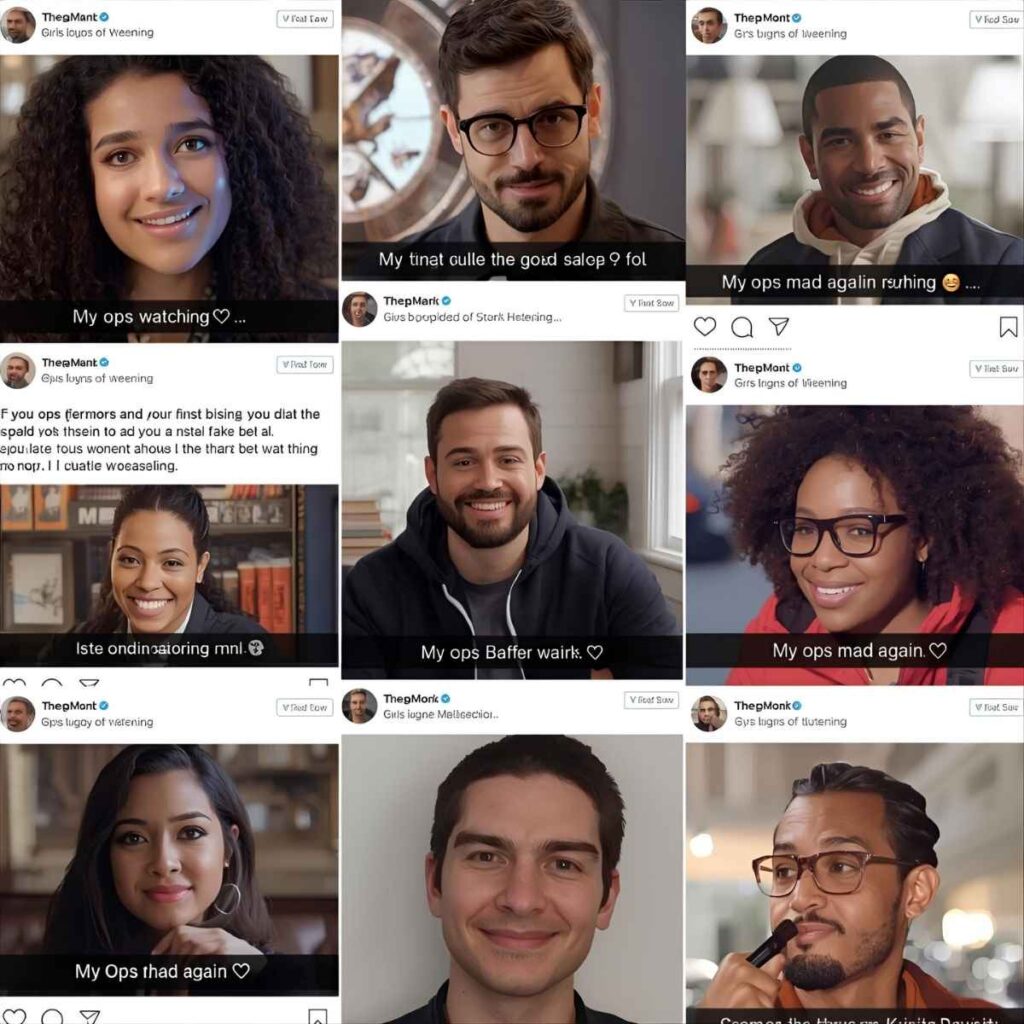
💬 TikTok
- Used in skits about haters or fake friends.
- Example: “POV: When your ops see you smiling 😌.”
- Often paired with dramatic music or reaction memes.
Twitter (X)
- Used humorously to roast people who lurk or gossip.
- Example: “The ops in my DMs pretending to be nice 💀.”
Instagram & Snapchat
- Common in captions like:
- “Smiling while the ops watch 👀.”
- “New outfit, same ops.”
It’s now more of a social badge of confidence — meaning you’re unbothered, even when people doubt you.
The Modern Meaning of Ops in 2025
In 2025, “ops” means anyone against you — physically, socially, or digitally.
| Context | Meaning | Example |
|---|---|---|
| ⚔️ Street Slang | Real enemies or rivals | “We don’t mess with the ops.” |
| 😤 Drama | Fake friends or haters | “The ops in my story again 😭.” |
| 😂 Humor | Teasing or sarcasm | “My ops crying in 4K.” |
| 🎶 Music | Opponents or threats | “Ops can’t touch me, I’m blessed.” |
Now, “ops” has lost much of its danger and turned into a funny, meme-worthy way to talk about competition and resilience.
The Emotional Tone of “Ops”
The tone behind “ops” depends entirely on how it’s used:
- Serious: In rap lyrics or real conflicts, it still means dangerous opponents.
- Funny: On TikTok or X, it means people who gossip or stalk your posts.
- Empowering: Some use it to show focus — “Too busy winning to care about the ops.”
The beauty of “ops” is its dual nature — it can sound powerful or playful, depending on context.
Ops in Music & Culture
From Chief Keef to 21 untamed, “ops” remains a pillar of hip-hop vocabulary. It symbolizes alertness, loyalty, and respect for boundaries.
But in 2025, it’s also part of mainstream culture. Even influencers, YouTubers, and meme pages use it to joke about drama or competition.
Example posts:
- “You post one selfie, and the ops come running.”
- “When your ops start following your business page 😭.”
The slang captures a mix of humor and defense — laughing at negativity instead of letting it win.
Smooth Transition: From the Streets to the Screens
As “ops” evolved from street slang to social slang, it became a symbol of awareness and resilience.
Today, when someone says “the ops watching”, they might mean their haters, their ex, or even nosy followers.
It’s serious in tone, but funny in spirit — a way of turning negativity into power.
This natural shift is why “ops” has stayed relevant for over a decade — it’s universal, emotional, and adaptable.
Similar Slang Words
- Haters – People jealous or critical of your success.
- Snakes – Untrustworthy friends.
- Fake friends – People who act supportive but aren’t.
- Enemies – A classic synonym.
- No cap – Truth-telling, authenticity.
- Drill talk – Coded street slang still used in hip-hop.
Together, these words form the language of loyalty and alertness in modern slang.
Real-Life Usage Examples
| Situation | Example Sentence | Tone |
|---|---|---|
| Social Media | “My ops can’t stop watching my glow-up 💅.” | Funny |
| Music | “Never catch me lacking around the ops.” | Serious |
| Conversations | “He switched sides — total op move.” | Casual |
| Online Drama | “The ops lurking in my comments again 😭.” | Humorous |
| Gaming | “Got ambushed by the ops again 💀.” | Playful |
When & How to Use “Ops”
✅ Use it playfully
“The ops mad I’m happy again 😌.”
✅ Use it confidently
“I’m focused on my bag — the ops can watch from the sidelines.”
✅ Use it ironically
“My ops are my biggest fans 😂.”
🚫 Avoid using it in serious or violent contexts if you’re just being funny. Tone matters — keep it lighthearted.
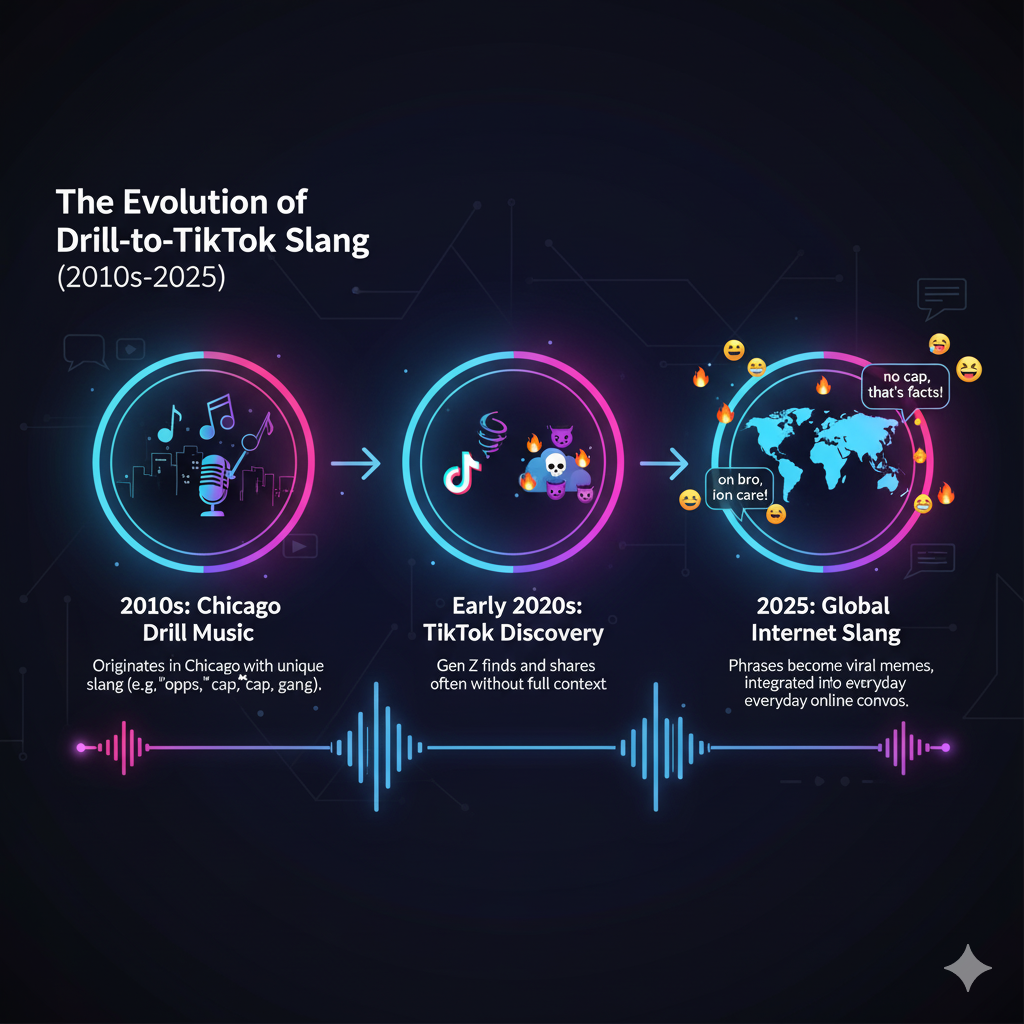
🔄 Evolution of “Ops”
- 2010s: Chicago drill slang (Chief Keef era).
- 2020s: Spread through music and memes.
- 2025: Used globally as an all-purpose word for haters and rivals.
“Ops” now represents resilience and energy — a symbol of how internet culture flips tension into humor.
FAQs
1. What does “ops” mean in slang?
It means enemies, rivals, or haters — people who go against you.
2. Where did “ops” come from?
It comes from “opposition,” first popularized in Chicago’s drill scene.
3. Is “ops” serious or funny?
Both. It started serious, but now it’s mostly used humorously online.
4. Can I say “my ops” on TikTok?
Yes! On TikTok, it’s used for jokes, rivalries, or funny “drama.”
5. What’s the difference between “ops” and “haters”?
“Ops” sounds more dramatic or slangy; “haters” is softer and more general.
6. What does “ops” mean on TikTok?
It refers to haters, ex-friends, or people secretly watching your content — usually said in a joking tone.
Conclusion
In 2025, “ops” has evolved from a harsh street term into a global slang symbol for haters, competition, and resilience.
It’s proof that language adapts — what began in drill rap now lives in memes, captions, and casual conversations.