

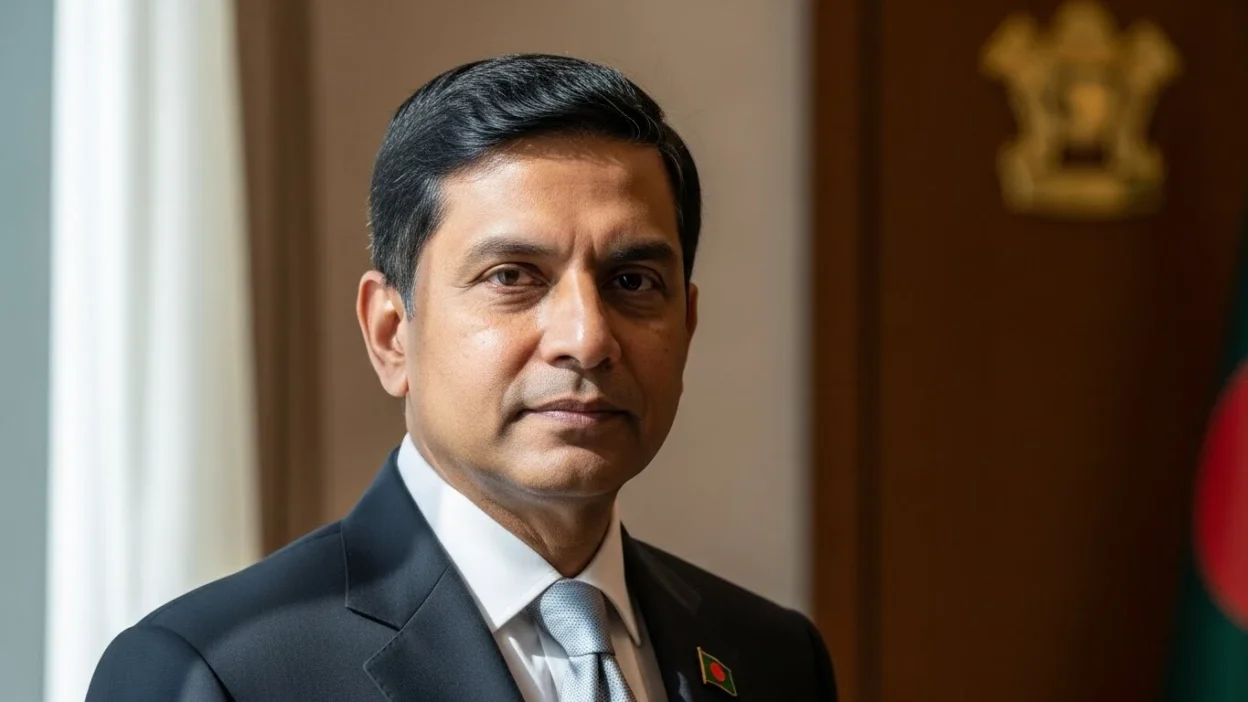
Nayib Bukele is one of the most talked-about political leaders in Latin America, known for his unconventional leadership style and high-profile policies as President of El Salvador.
Since rising to international attention, public curiosity has extended beyond his politics to questions about Nayib Bukele’s net worth and personal wealth.
Unlike traditional politicians, Bukele entered public office with a background in business, which has fueled ongoing interest in how much he is worth and where his money comes from.
Discussions around his net worth often mix verified facts with speculation, making it important to separate confirmed information from assumptions.
His income sources include private business activity prior to politics and a legally defined presidential salary, while public financial disclosures offer limited but important insight.
In this article, we take a detailed and neutral look at Nayib Bukele’s net worth, examining his business background, income sources, assets, and why estimates of his wealth continue to vary.
What Is Nayib Bukele’s Net Worth?
Nayib Bukele’s net worth is not publicly confirmed, but most estimates place it in the range of several million dollars, often cited between $2 million and $5 million. It’s important to note that these figures are estimates, not verified totals, as there is no complete public breakdown of his personal finances. Like many political figures, Bukele’s wealth is discussed using a combination of declared assets, known income sources, and reported business activity prior to entering politics.
A key reason Bukele’s net worth is difficult to pin down is the distinction between personal wealth and state finances. As President of El Salvador, his official salary is relatively modest and legally regulated, meaning it does not significantly contribute to large-scale personal wealth. Most of the interest in his net worth focuses on his business career before politics, particularly his involvement in advertising, marketing, and family-owned enterprises.
Bukele has filed mandatory financial disclosures as required by Salvadoran law, but these disclosures often provide limited detail and do not always reflect full market values of assets. As a result, estimates can vary depending on how analysts interpret available information. This uncertainty has fueled public debate and media scrutiny.
It is also important to clarify that government initiatives—such as national Bitcoin policies—are state actions and not personal investments unless explicitly declared otherwise. Conflating national policy with private wealth can lead to inaccurate assumptions.
Overall, Nayib Bukele’s net worth remains a subject of public interest, but any figures should be viewed as approximate rather than definitive.
Early Life and Family Background
Nayib Bukele was born on July 24, 1981, in San Salvador, El Salvador, into a family with strong ties to business and entrepreneurship. His father, Armando Bukele Kattán, was a well-known businessman and public intellectual, which exposed Bukele to commerce, media, and public affairs from an early age. This background played a significant role in shaping his understanding of business operations and financial management.
Bukele attended private schools in El Salvador and later pursued higher education, though he did not complete a university degree. Instead, he entered the business world at a young age, gaining hands-on experience rather than following a traditional academic path. This early involvement allowed him to develop practical skills in marketing, branding, and management—areas that would later influence both his business success and political communication style.
Growing up in a financially stable household gave Bukele access to opportunities that helped him build professional networks and industry knowledge. However, it is important to distinguish family background from personal wealth. While his upbringing provided advantages, his individual net worth is generally attributed to his own business activities prior to entering politics.
Bukele’s early exposure to entrepreneurship laid the foundation for his later ventures in advertising and media. These ventures became his primary income sources before his political career began. Understanding his family background and early life helps explain how he developed the financial and strategic skills that contributed to his professional success and, ultimately, to public interest in Nayib Bukele’s net worth.
Business Career Before Politics
Before entering politics, Nayib Bukele built his professional career in the advertising and marketing industry, which is widely regarded as the primary source of his personal income prior to public office. He was involved in several advertising agencies, some of which were connected to family-owned businesses. These companies worked on branding, marketing strategy, and political advertising, giving Bukele both business revenue and high-profile exposure.
Bukele reportedly held leadership roles within these firms, overseeing operations, client relationships, and creative direction. Advertising and media services can be highly profitable, particularly when working with major clients or political campaigns, and this sector is often cited as the foundation of his early wealth. However, exact earnings from these ventures have never been fully disclosed publicly.
His business background also contributed to his reputation as a skilled communicator and strategist. The branding techniques and digital outreach methods he later used in politics closely mirror the skills developed during his time in advertising. This crossover has led many analysts to view his political rise as closely linked to his private-sector experience.
It is important to note that Bukele transitioned out of active business management upon entering public office, as required by law. Any ongoing income from previous ventures would be subject to legal disclosure and regulation. There is no verified public evidence that his businesses expanded or generated significant new income after he became a political figure.
Overall, Nayib Bukele’s business career before politics explains much of the interest surrounding his net worth. While precise figures remain unclear, his involvement in advertising and media provides the most credible explanation for his pre-political wealth and continues to be a central factor in discussions about his financial background.
Political Career and Presidential Salary
Nayib Bukele’s transition from business to politics marked a significant shift in his income structure. After entering public office, his earnings became largely defined by government salaries, which are regulated by law and subject to public scrutiny. Bukele first served as mayor of Nuevo Cuscatlán and later as mayor of San Salvador, positions that provided modest official compensation compared to private-sector income.
In 2019, Bukele became President of El Salvador, a role that comes with a legally established salary. The presidential salary in El Salvador is relatively limited and does not support large-scale personal wealth accumulation. As a result, Bukele’s current net worth is generally believed to rely more on pre-political business income rather than earnings from public office.
Salvadoran law requires public officials to declare assets and restricts active participation in private businesses while in office. Bukele has stated that he stepped away from direct management of private enterprises upon assuming political roles. Any income earned during his presidency must comply with transparency and ethics regulations.
It is also important to distinguish between state-controlled resources and personal finances. Government spending, national investments, or economic policies enacted during his presidency do not contribute to his personal net worth unless explicitly declared as private income. Misunderstandings often arise when public policy decisions are incorrectly assumed to reflect personal financial gain.
Overall, Bukele’s political career has not been a major driver of personal wealth. Instead, it has shifted public attention toward transparency and accountability, reinforcing the need to separate his role as a public servant from discussions about his private net worth.
Assets, Investments, and Financial Disclosures
Discussions around Nayib Bukele’s net worth often focus on his declared assets and financial disclosures, which are required by Salvadoran law for public officials. These disclosures are intended to promote transparency, though they typically provide limited detail and may not reflect full market valuations of assets. As a result, they offer partial insight rather than a complete picture of personal wealth.
Public records indicate that Bukele has declared assets related to savings, income history, and property interests. However, exact figures and asset breakdowns are not always publicly itemized in a way that allows for precise net worth calculations. This lack of granular detail is one reason estimates of his wealth vary across different sources.
Regarding investments, there is no verified public evidence showing that Bukele maintains active private investments while serving as president. Salvadoran regulations restrict public officials from managing private businesses during their tenure, and Bukele has stated that he stepped away from business operations upon entering politics. Any passive income or retained ownership stakes would be subject to disclosure requirements.
Real estate is frequently mentioned in discussions of political wealth, but confirmed information about Bukele’s personal property holdings remains limited. Without official documentation specifying locations, values, or ownership structures, claims about extensive real estate assets remain speculative and should be treated cautiously.
Overall, Bukele’s disclosed assets suggest a level of financial stability consistent with a successful business career prior to politics, rather than unexplained wealth accumulation during public service. When evaluating Nayib Bukele’s net worth, it is essential to rely on verified disclosures and avoid assumptions not supported by publicly available evidence.
Bitcoin Policy and Personal Wealth: Clarifying Misconceptions
Nayib Bukele’s strong association with Bitcoin has led to widespread misconceptions about his personal net worth, making it important to clearly separate state policy from private finances. As president, Bukele championed El Salvador’s decision to adopt Bitcoin as legal tender, a move that attracted global attention and speculation. However, this policy does not automatically translate into personal financial gain.
The Bitcoin purchases made by El Salvador were conducted using state funds, not Bukele’s personal money. These transactions are part of national economic policy and are recorded as government holdings. There is no verified public evidence showing that Bukele personally owns Bitcoin in amounts connected to or derived from state purchases. Any personal cryptocurrency holdings, if they exist, have not been publicly disclosed in detail.
Public confusion often arises because Bukele communicates Bitcoin-related news directly through social media, sometimes using informal language. This communication style has blurred perceptions between his role as a policymaker and assumptions about personal investment. However, under Salvadoran law, personal assets and government assets are legally distinct, and misuse of state funds for personal gain would constitute a serious offense.
It is also important to note that Bitcoin price fluctuations impact national reserves, not Bukele’s private net worth. Gains or losses from Bitcoin held by the government affect public finances and are subject to political and economic debate, but they do not increase or decrease his personal wealth.
In summary, while Bitcoin policy has become closely associated with Nayib Bukele’s public image, there is no confirmed link between El Salvador’s Bitcoin strategy and his personal net worth. Evaluating his wealth requires focusing on verified disclosures and separating public policy decisions from private financial status.
Public Perception and Media Scrutiny
Nayib Bukele’s net worth has become a frequent topic of discussion largely due to public perception and media scrutiny surrounding his leadership style and high visibility. As one of the most internationally recognized presidents in Latin America, Bukele’s personal finances are often examined more closely than those of many of his predecessors. This attention has fueled speculation, especially on social media and international news platforms.
Media coverage of Bukele often blends his political decisions, communication style, and economic policies into a single narrative. As a result, discussions about his leadership frequently spill over into assumptions about personal wealth. However, much of this speculation is driven by perception rather than verified financial data. High-profile policies, strong online presence, and global attention do not necessarily correlate with personal financial gain.
Social media has amplified this effect. Bukele’s direct engagement with the public through platforms like X (formerly Twitter) has increased transparency in communication but also blurred boundaries in public interpretation. Statements about national projects or economic initiatives are sometimes misread as indicators of personal financial involvement, even when no such link exists.
International media outlets also contribute to the discussion by comparing Bukele to other high-profile leaders, often raising questions about transparency and governance. While scrutiny is a normal part of public leadership, it does not replace documented financial disclosures as a reliable measure of net worth.
Ultimately, public perception plays a powerful role in shaping narratives around Nayib Bukele’s wealth. However, evaluating his net worth responsibly requires separating public image from verifiable information. Media attention may increase curiosity, but only confirmed disclosures and documented income sources provide a factual basis for understanding his financial standing.
Nayib Bukele Net Worth Compared to Other World Leaders
When comparing Nayib Bukele’s net worth to that of other world leaders, it becomes clear that his estimated wealth is moderate by international standards. Many heads of state come from wealthy business backgrounds or long-established political elites, which often results in significantly higher personal fortunes. In contrast, Bukele’s estimated net worth—generally cited in the low single-digit millions—places him closer to leaders with professional or entrepreneurial backgrounds rather than inherited wealth.
Some global leaders have accumulated substantial fortunes through decades in politics, private business holdings, or family wealth predating public service. Others have leveraged book deals, speaking engagements, or post-office careers to increase their net worth. Bukele, by comparison, is still relatively early in his political career and remains in active public service, limiting opportunities for personal income growth beyond regulated salaries and pre-political earnings.
Within Latin America, Bukele’s net worth appears neither unusually high nor exceptionally low. Several regional leaders report similar or higher asset levels, particularly those with business careers before politics. What distinguishes Bukele is not the scale of his wealth, but the intensity of international attention placed on his finances due to his visibility and controversial policy choices.
It is also important to consider transparency frameworks. Differences in disclosure laws across countries make direct comparisons challenging. Some leaders are required to publish detailed asset declarations, while others face minimal disclosure obligations. These discrepancies can exaggerate perceived differences in net worth.
Overall, when placed in a global context, Nayib Bukele’s net worth aligns with that of a modern political leader who entered office with private-sector experience, rather than one who accumulated wealth primarily through political power.
Transparency, Accountability, and Ongoing Interest in Bukele’s Wealth
Ongoing interest in Nayib Bukele’s net worth is closely tied to broader questions of transparency and accountability in public office. As a high-profile president with a strong global presence, Bukele’s personal finances are often viewed as part of a larger conversation about governance, ethics, and trust. This scrutiny is not unique to him, but it is amplified by his visibility and unconventional leadership style.
In democratic systems, public curiosity about a leader’s wealth often reflects concerns about conflicts of interest or misuse of power. In Bukele’s case, supporters and critics alike frequently examine financial disclosures as a way to assess integrity. While his asset declarations provide some insight, their limited detail leaves room for interpretation, which sustains ongoing debate.
It is also important to recognize that transparency standards evolve over time. What is considered sufficient disclosure today may be viewed as incomplete in the future. As international attention on El Salvador continues, expectations around financial openness may increase, potentially leading to more detailed reporting requirements for public officials, including the president.
Bukele’s case illustrates how modern leadership intersects with global media, social platforms, and real-time scrutiny. Financial questions are no longer confined to official reports; they are discussed, debated, and amplified across digital spaces. This environment makes it especially important to rely on verified information rather than speculation.
Ultimately, the continued interest in Nayib Bukele’s net worth reflects his prominence rather than clear evidence of extraordinary wealth. As long as he remains a central figure in international politics, his finances will likely remain a topic of discussion—underscoring the importance of transparency, clarity, and factual reporting when evaluating public figures.
Why Estimating Nayib Bukele’s Net Worth Is Difficult
Estimating Nayib Bukele’s net worth is challenging due to several structural and legal factors that limit public access to precise financial data. Unlike celebrities or business executives who publish earnings or hold publicly traded assets, political leaders operate under different disclosure frameworks. These frameworks are designed for accountability, not for producing exact net worth figures.
One major challenge is that asset declarations often lack market valuations. Properties, savings, or ownership interests may be listed without updated values, making it difficult to calculate total wealth accurately. Additionally, disclosures may not include indirect holdings or assets held through legal entities, unless explicitly required by law.
Another factor is the separation between past and present income. Bukele’s business activities before entering politics occurred in the private sector, where financial transparency standards differ from those applied to public office. Once in politics, his income became regulated, but historical earnings are not always fully documented in public records.
Media reports and online estimates frequently rely on assumptions, comparisons, or extrapolations rather than verified documentation. These methods can produce wide ranges and inconsistent figures, which are then repeated across platforms. Over time, estimates may gain perceived credibility despite lacking concrete evidence.
International comparisons further complicate matters. Different countries enforce different disclosure rules, making it difficult to assess whether a reported net worth is low, average, or high by global standards. Context is often missing.
In summary, Nayib Bukele’s net worth remains an estimate rather than a confirmed figure. Understanding the limitations of available data helps explain why figures vary and why responsible analysis must focus on verified information instead of speculation.
The Role of International Attention in Net Worth Discussions
International attention has played a significant role in keeping Nayib Bukele’s net worth a topic of ongoing discussion. Unlike many national leaders whose influence remains largely regional, Bukele has attracted global coverage due to his security policies, digital communication style, and unconventional economic decisions. This visibility has intensified curiosity about his personal finances.
Global media outlets often approach Bukele through comparative narratives, placing him alongside other high-profile leaders and entrepreneurs. These comparisons naturally raise questions about wealth, lifestyle, and financial transparency—even when concrete data is limited. As a result, discussions about his net worth are frequently shaped by perception rather than verified disclosures.
International organizations, analysts, and commentators also examine leadership finances as part of broader governance assessments. While these reviews focus primarily on policy and institutional impact, personal wealth can become a secondary point of interest. In Bukele’s case, the combination of youth, popularity, and bold decision-making amplifies scrutiny.
Social media further magnifies this effect. International audiences who lack familiarity with El Salvador’s legal and disclosure systems may misinterpret policy announcements or public spending as indicators of personal wealth. This misunderstanding contributes to exaggerated or inaccurate claims circulating online.
At the same time, international attention can create pressure for higher transparency standards. As El Salvador remains under the global spotlight, expectations around clarity in governance—including financial disclosure—may increase. This could eventually lead to more detailed reporting, helping reduce speculation.
Overall, international attention has less to do with the actual size of Nayib Bukele’s net worth and more to do with his global profile. Understanding this dynamic helps explain why discussions about his wealth persist despite limited verified information, and why careful, evidence-based analysis remains essential.
Separating Personal Wealth from Political Power
A recurring issue in discussions about Nayib Bukele’s net worth is the tendency to conflate political power with personal wealth. In many countries, powerful leaders are assumed to possess large fortunes simply because of their influence. However, authority and wealth do not automatically correlate, especially in systems with legal salary limits and disclosure requirements.
As president, Bukele holds significant decision-making power, but his personal income is constrained by law. Government authority allows leaders to shape national policy, not to access public funds for private use. Any misuse of state resources would be subject to legal consequences and oversight, making it essential to distinguish between institutional control and individual finances.
Public confusion often arises when leaders oversee large-scale budgets or national investments. For example, infrastructure projects, security spending, or economic initiatives involve billions in public funds, yet these figures have no bearing on a president’s personal net worth. Bukele’s role in approving or promoting such policies does not imply ownership or financial benefit unless explicitly documented.
Another factor is symbolism. Bukele’s visible leadership style, use of technology, and direct communication can create an image of modern power and success, which some interpret as financial wealth. This perception is reinforced online, where simplified narratives often replace nuanced explanations.
Understanding this separation is critical for responsible analysis. Evaluating Nayib Bukele’s net worth requires focusing on declared assets, known income sources, and verified disclosures, not assumptions based on influence or visibility. By separating personal wealth from political authority, readers can form a clearer, more accurate view of his financial standing.
How Transparency Laws Shape Public Understanding of Bukele’s Wealth
Transparency laws play a central role in shaping how Nayib Bukele’s net worth is understood by the public. In El Salvador, public officials are required to submit asset declarations designed to prevent corruption and conflicts of interest. However, these disclosures are often compliance-focused rather than explanatory, which can leave room for confusion and speculation.
Asset declarations typically list categories of holdings—such as income sources, savings, or property interests—without providing detailed valuations or full contextual explanations. This means that while disclosures confirm the existence of assets, they rarely offer enough information to calculate an exact net worth. As a result, analysts and media outlets often rely on estimates rather than confirmed totals.
Another challenge is timing. Declarations are usually submitted at specific points, such as when entering or leaving office. They may not reflect real-time changes in asset values, market conditions, or inflation. This time lag can create discrepancies between reported information and public expectations.
Transparency laws also differ widely between countries, which affects international interpretation. Observers unfamiliar with El Salvador’s disclosure system may expect the same level of detail found in other jurisdictions, leading to assumptions that information is being withheld when it may simply not be required by law.
Despite these limitations, transparency requirements still provide an important accountability mechanism. They establish a baseline for monitoring changes in wealth and identifying unexplained growth. In Bukele’s case, available disclosures suggest financial continuity rather than dramatic increases during his time in office.
Ultimately, understanding how transparency laws function helps explain why Nayib Bukele’s net worth remains an estimate. The structure of disclosure systems shapes public perception and highlights the importance of interpreting financial information within its legal and institutional context.
The Difference Between Wealth Estimates and Verified Financial Data
A key issue in discussions about Nayib Bukele’s net worth is the difference between wealth estimates and verified financial data. Many figures found online are based on assumptions, secondary reporting, or comparisons rather than confirmed documentation. Understanding this distinction is essential for interpreting net worth claims responsibly.
Wealth estimates are often created by aggregating known income sources, reported assets, and general assumptions about lifestyle or career background. While this approach can offer a rough range, it lacks precision—especially when applied to political figures whose finances are partially shielded by privacy laws and limited disclosure requirements. As a result, estimates can vary widely even when referencing the same individual.
Verified financial data, on the other hand, comes from official disclosures, audited reports, or legally mandated filings. These sources provide factual information but are often incomplete by design. They aim to ensure accountability rather than to present a comprehensive picture of personal wealth. In Bukele’s case, verified data confirms lawful income sources and asset continuity but does not offer a full valuation of net worth.
The problem arises when estimates are treated as facts. Repetition across blogs, social media, and news sites can give speculative numbers a sense of legitimacy, even when they lack primary sourcing. Over time, these figures become accepted narratives despite limited evidence.
For readers, the most responsible approach is to view Nayib Bukele’s net worth as an approximate range, informed by business history and disclosures but not conclusively proven. Separating estimated figures from verified information helps prevent misinformation and encourages a more accurate understanding of how political wealth is evaluated.
Why Public Curiosity Around Bukele’s Net Worth Persists
Public curiosity around Nayib Bukele’s net worth persists largely because of his unconventional leadership style and high visibility. Unlike many traditional political figures, Bukele communicates directly with the public, uses social media frequently, and positions himself as a modern, disruptive leader. This visibility naturally leads people to question not only his policies, but also his personal background and finances.
Another reason for ongoing interest is Bukele’s age and rapid rise to power. Becoming president at a relatively young age has fueled assumptions about how quickly he accumulated wealth prior to entering office. When leaders rise quickly, the public often seeks financial explanations, even when no evidence of irregular wealth exists.
Economic context also plays a role. El Salvador has faced longstanding economic challenges, which heightens sensitivity around wealth and inequality. In such environments, public figures’ finances are often scrutinized more intensely, as citizens want reassurance that leadership is not personally benefiting from public hardship.
Additionally, global narratives surrounding corruption in politics influence perception. Even without direct evidence, some audiences apply broader regional stereotypes to individual leaders. This makes transparency especially important, but it also means that speculation can persist even when disclosures are provided.
Finally, digital media accelerates curiosity. Search engines, social platforms, and algorithm-driven content amplify wealth-related questions because they attract engagement. Once people begin searching for “Nayib Bukele net worth,” the topic sustains itself through repeated visibility.
Ultimately, curiosity about Bukele’s net worth reflects his prominence rather than proof of extraordinary wealth. Understanding the social, economic, and media dynamics behind this interest helps place financial discussions in proper context and reinforces the importance of relying on verified information over speculation.
✅ FAQs About Nayib Bukele’s Net Worth
1. What is Nayib Bukele’s net worth?
Estimates typically place Nayib Bukele’s net worth between $2 million and $5 million, though no exact figure is publicly confirmed.
2. How did Nayib Bukele make his money before politics?
He built wealth through advertising, marketing, and media-related businesses prior to entering public office.
3. Does Nayib Bukele earn a high presidential salary?
No. His presidential salary is legally regulated and relatively modest, contributing little to overall net worth.
4. Does Nayib Bukele personally own Bitcoin from state purchases?
There is no verified evidence that government Bitcoin holdings are part of his personal wealth.
5. Are Nayib Bukele’s assets publicly disclosed?
He files mandatory asset disclosures, but they often lack detailed market valuations.
6. Why do net worth estimates vary so much?
Limited disclosure detail, private pre-political income, and speculation cause wide estimate ranges.
7. Is Nayib Bukele wealthy compared to other world leaders?
By global standards, his estimated wealth is moderate, not exceptionally high.
8. Has Bukele’s wealth increased during his presidency?
Available information suggests financial continuity rather than unexplained growth.
🏁 Conclusion :
Nayib Bukele’s net worth remains an estimate shaped by limited disclosures, pre-political business activity, and a regulated presidential salary.
While global attention and bold policies fuel speculation, verified information points to moderate personal wealth rather than extraordinary fortune.
Separating state actions from private finances is essential to avoid confusion, especially regarding Bitcoin policy.