
The hiring landscape has transformed dramatically over the past decade. Traditional recruitment methods—such as newspaper ads, walk-in interviews, and manual resume screening—are rapidly being replaced by smarter, technology-driven solutions.
In today’s competitive job market, companies must adapt to evolving expectations from both candidates and employers.
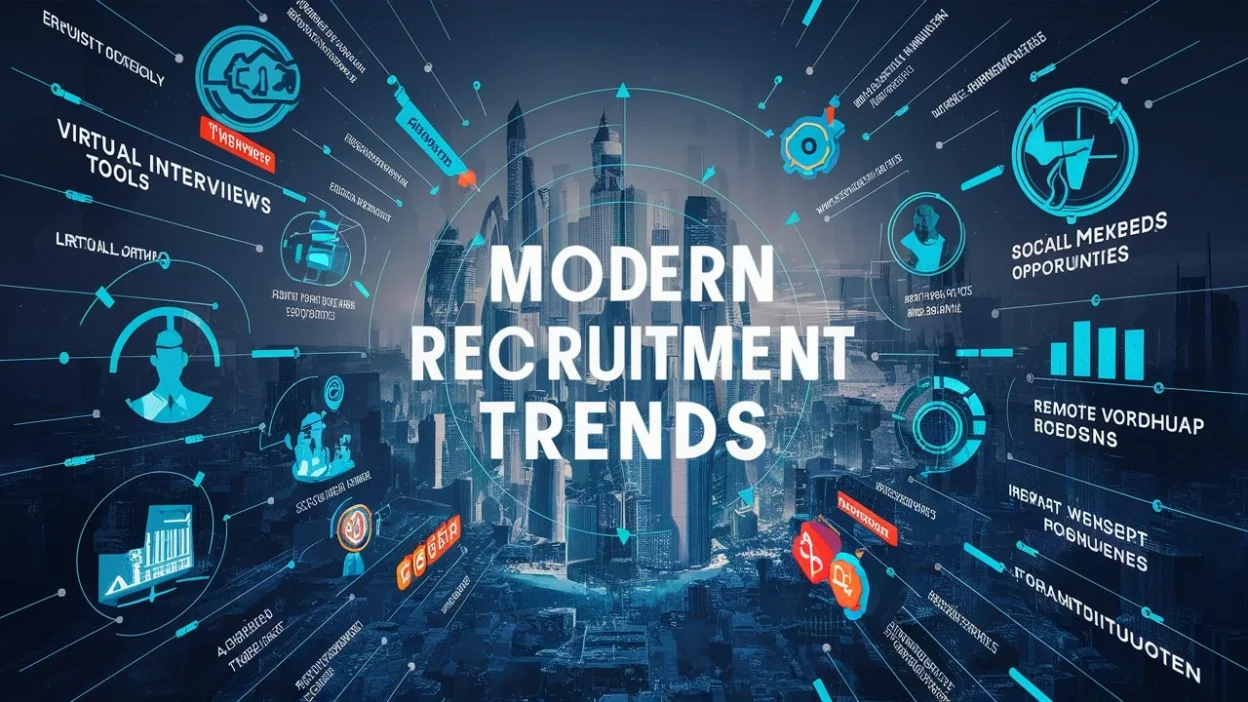
These modern recruitment trends that are changing how companies hire are reshaping talent acquisition, making it faster, more data-driven, and more candidate-centric than ever before.
The Shift from Traditional to Modern Recruitment
Recruitment is no longer just about filling vacancies. It has become a strategic function that directly impacts company culture, performance, and long-term growth. Advances in technology, remote work, and changing workforce expectations have forced organizations to rethink how they attract, evaluate, and retain talent.
Modern recruitment focuses on efficiency, inclusivity, and experience—ensuring the right candidates are hired at the right time.
1. Artificial Intelligence and Automation in Hiring
One of the most influential recruitment trends is the use of artificial intelligence (AI) and automation. AI-powered tools help recruiters streamline repetitive tasks and improve decision-making.
Key benefits include:
- Automated resume screening
- AI-driven candidate matching
- Chatbots for initial candidate communication
- Predictive analytics for hiring success
By reducing manual workload, recruiters can focus more on strategy and relationship-building.
2. Data-Driven Recruitment Decisions
Modern companies rely heavily on data to improve hiring outcomes. Recruitment analytics provide valuable insights into what works and what doesn’t.
Organizations now track:
- Time-to-hire
- Cost-per-hire
- Candidate source performance
- Quality of hire
Data-driven recruitment allows companies to refine their strategies and make informed hiring decisions rather than relying on intuition alone.
3. Remote and Hybrid Hiring Models
The rise of remote and hybrid work has significantly changed how companies hire. Employers are no longer limited to local talent pools and can recruit globally.
Modern recruitment practices include:
- Virtual interviews
- Online assessments
- Remote onboarding processes
This trend expands access to skilled professionals and promotes workplace flexibility, which is highly valued by today’s workforce.
4. Emphasis on Candidate Experience
Candidate experience has become a top priority in modern recruitment. Job seekers expect transparent communication, fast responses, and respectful treatment throughout the hiring process.
Companies improving candidate experience focus on:
- Clear job descriptions
- Streamlined application processes
- Regular updates and feedback
- User-friendly career pages
A positive experience strengthens employer branding and increases acceptance rates.
5. Employer Branding as a Recruitment Strategy
Employer branding plays a crucial role in attracting top talent. Candidates research company culture, values, and employee reviews before applying.
Modern employer branding includes:
- Showcasing company culture on social media
- Highlighting employee testimonials
- Sharing behind-the-scenes content
- Promoting diversity and inclusion initiatives
A strong employer brand helps companies stand out in a competitive hiring market.
6. Skills-Based Hiring Over Traditional Credentials
Companies are shifting from degree-focused hiring to skills-based recruitment. Employers now prioritize what candidates can do rather than where they studied.
This approach:
- Expands the talent pool
- Promotes diversity and inclusion
- Identifies candidates with practical, job-ready skills
Skills assessments, portfolios, and real-world tasks are increasingly replacing traditional resume-based evaluations.
7. Diversity, Equity, and Inclusion (DEI) in Hiring
Modern recruitment places a strong emphasis on diversity, equity, and inclusion. Companies recognize that diverse teams drive innovation and better business outcomes.
Key DEI recruitment practices include:
- Bias-free job descriptions
- Blind resume screening
- Inclusive hiring panels
- Equal opportunity employer branding
DEI-focused recruitment helps organizations build fair and balanced workplaces.
8. Social Media and Digital Recruiting Channels
Social media has become a powerful recruitment tool. Platforms like LinkedIn, Twitter, and even Instagram are now used to attract candidates.
Benefits of social recruiting include:
- Access to passive candidates
- Improved employer visibility
- Faster engagement with job seekers
Modern recruiters leverage digital platforms to reach talent where they already spend time.
9. Recruitment Marketing and Personalized Outreach
Recruitment today mirrors marketing strategies. Personalized communication and targeted campaigns help attract the right candidates.
Modern recruitment marketing includes:
- Talent nurturing campaigns
- Email and social media personalization
- Candidate segmentation
- Branded job advertisements
This approach increases engagement and improves the quality of applicants.
10. Continuous Hiring and Talent Pipelines
Rather than hiring only when positions open, companies are building ongoing talent pipelines. This proactive approach ensures access to qualified candidates when needed.
Benefits include:
- Reduced hiring time
- Better workforce planning
- Stronger relationships with future candidates
Talent pipelines allow organizations to stay ahead in a competitive labor market.
The Impact of Modern Recruitment Trends on Companies
These recruitment trends are changing how companies hire by making processes more efficient, inclusive, and strategic. Organizations that embrace modern recruitment are better positioned to:
- Attract top talent
- Reduce hiring costs
- Improve employee retention
- Build strong workplace cultures
Ignoring these trends can leave companies struggling to compete for skilled professionals.
Conclusion
Modern recruitment trends are redefining the hiring process for companies worldwide. From AI-driven automation to skills-based hiring and enhanced candidate experiences, these innovations are shaping the future of talent acquisition.
Companies that adapt to these modern recruitment trends that are changing how companies hire gain a competitive advantage in attracting and retaining top talent. In an evolving job market, embracing change is no longer optional—it’s essential for long-term success.