

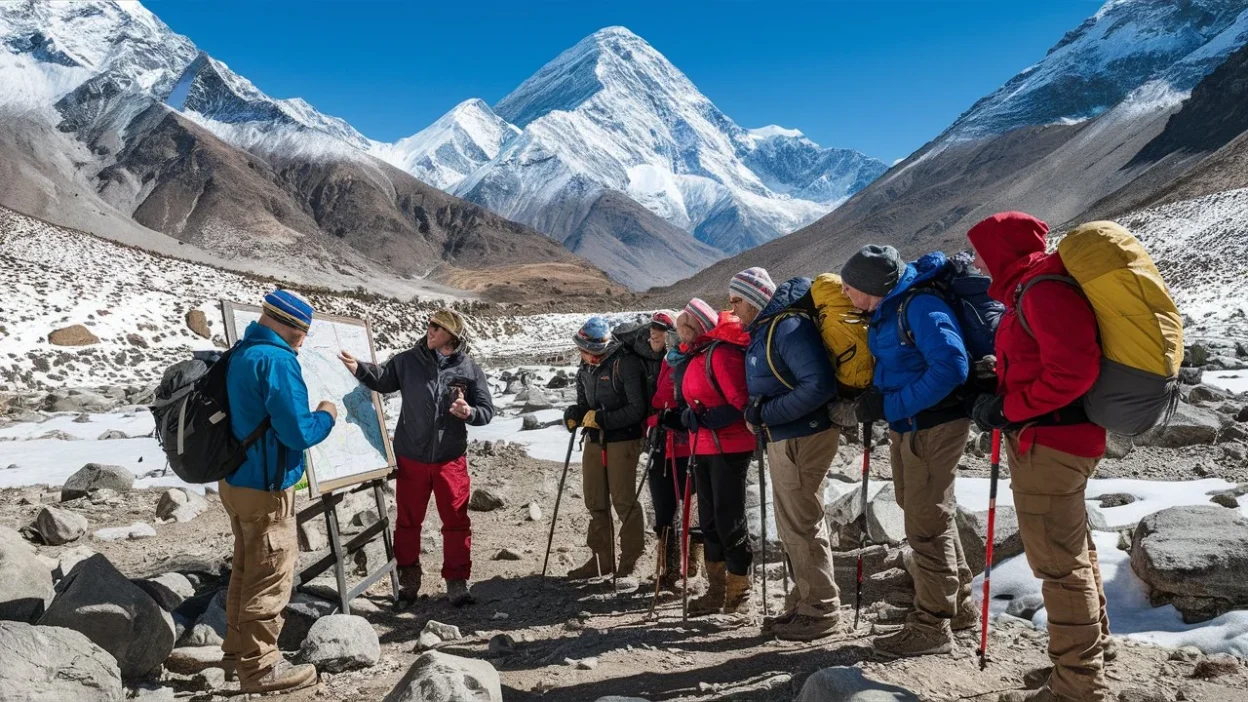
The Everest Base Camp (EBC) trek is a dream adventure for many trekking enthusiasts. Spanning rugged trails, high altitudes, and breathtaking scenery, it is both a physical and mental challenge.
To fully enjoy the experience and minimize risks, preparation is key. Understanding how to train for the Everest Base Camp trek ensures you arrive strong, acclimated, and ready for the journey of a lifetime.
This guide covers essential training tips, exercise routines, and mental preparation strategies to help you succeed.
Understanding the Everest Base Camp Trek
Before starting your training, it’s important to understand what the trek entails:
- Distance: Approximately 130 km (round trip from Lukla)
- Duration: Typically 12–14 days
- Altitude: Base camp sits at 5,364 meters (17,598 ft)
- Terrain: Mountain trails, rocky paths, suspension bridges, steep ascents and descents
The trek requires stamina, endurance, and a strong cardiovascular system. Preparing your body in advance reduces the risk of altitude sickness and injury.
Start With Cardiovascular Training
Cardiovascular fitness is essential for long hours of trekking. Focus on building stamina and lung capacity.
Recommended Cardio Activities:
- Hiking: Gradually increase distance and elevation
- Running or Jogging: Build endurance on flat and hilly terrain
- Cycling: Improves leg strength and aerobic capacity
- Stair Climbing: Simulates uphill trekking
Tip: Train 4–5 times per week, gradually increasing duration and intensity.
Build Strength for Uphill and Downhill Treks
Muscle strength is vital for handling steep ascents and descents. Focus on lower body and core exercises.
Lower Body Exercises:
- Squats and lunges
- Step-ups with weights
- Calf raises
- Deadlifts
Core Strength Exercises:
- Planks and side planks
- Russian twists
- Leg raises
- Back extensions
Tip: Train with a backpack gradually loaded with weight to simulate trekking conditions.
Improve Endurance With Long Hikes
Endurance is the backbone of trekking at high altitudes. Long, sustained hikes prepare your body and mind for consecutive days of walking.
- Start with 5–10 km hikes and progressively increase distance
- Include uphill trails whenever possible
- Use trekking poles to practice balance and reduce knee strain
Endurance hikes also help you understand pacing and energy management, critical for multi-day treks.
Acclimatization and Altitude Training
Altitude sickness is a serious concern on the EBC trek. While you can’t fully replicate high altitudes at home, certain strategies help:
- Hiking at higher elevations if possible
- Using a stair climber or incline treadmill to mimic uphill trekking
- Intermittent hypoxic training (if available) to adapt to low oxygen conditions
- Gradual ascent during the trek and scheduled acclimatization days
Consult your doctor for guidance if you have health conditions affecting high-altitude trekking.
Flexibility and Mobility Training
Flexibility reduces the risk of injury and improves balance on uneven terrain. Incorporate:
- Stretching routines for hamstrings, quads, calves, hips, and lower back
- Yoga sessions to enhance flexibility and mental focus
- Foam rolling for muscle recovery
Tip: Stretch before and after hikes or workouts to maintain mobility.
Mental Preparation for the Trek
Mental resilience is just as important as physical fitness. The trek can be challenging due to fatigue, weather changes, and altitude.
- Visualization: Imagine each stage of the trek and prepare mentally
- Meditation and breathing exercises: Helps manage stress and improve oxygen utilization
- Setting realistic goals: Focus on daily progress rather than rushing
Mental preparation helps maintain motivation and confidence throughout the trek.
Nutrition and Hydration Strategies
Your training success depends on proper nutrition and hydration.
- Carbohydrates: Primary fuel for endurance training
- Proteins: Aid muscle recovery
- Fats: Support sustained energy for long hikes
- Hydration: Drink 2–3 liters daily during training and increase intake at higher altitudes
During the trek, maintain consistent hydration and eat high-energy, easy-to-digest snacks.
Sample Training Schedule (12 Weeks Before Trek)
Weeks 1–4:
- 3–4 cardio sessions (30–45 min)
- 2 strength sessions (legs + core)
- 1 flexibility/yoga session
Weeks 5–8:
- 4 cardio sessions (45–60 min, include hills)
- 2 strength sessions (increase weight or reps)
- 1–2 long hikes per week
Weeks 9–12:
- 4–5 cardio sessions (60+ min, include stair climbing)
- 2–3 strength sessions
- 2 endurance hikes (10–15 km) with backpack
- Flexibility and mental prep daily
Adjust intensity based on fitness level and progress.
Gear Familiarization During Training
Training with trekking gear ensures comfort and prevents injuries:
- Break in hiking boots during long hikes
- Train with a loaded backpack to simulate trek weight
- Practice using trekking poles and hydration packs
Familiarity with your gear prevents discomfort on trek day.
Safety Tips for Beginners
- Gradually increase intensity—avoid overtraining
- Listen to your body—rest if experiencing pain or fatigue
- Consult a doctor before starting high-altitude training
- Carry a basic first-aid kit during long hikes
Preparation is key to a safe and enjoyable trekking experience.
Conclusion
How to train for the Everest Base Camp trek involves a combination of cardiovascular fitness, strength training, endurance hikes, flexibility exercises, and mental preparation. Coupled with proper nutrition, hydration, and gear familiarization, a structured training program ensures you are ready to tackle the challenges of the trek.
With preparation, determination, and the right mindset, the Everest Base Camp trek can become an unforgettable adventure—one that rewards your hard work with breathtaking views, cultural experiences, and a profound sense of accomplishment.