

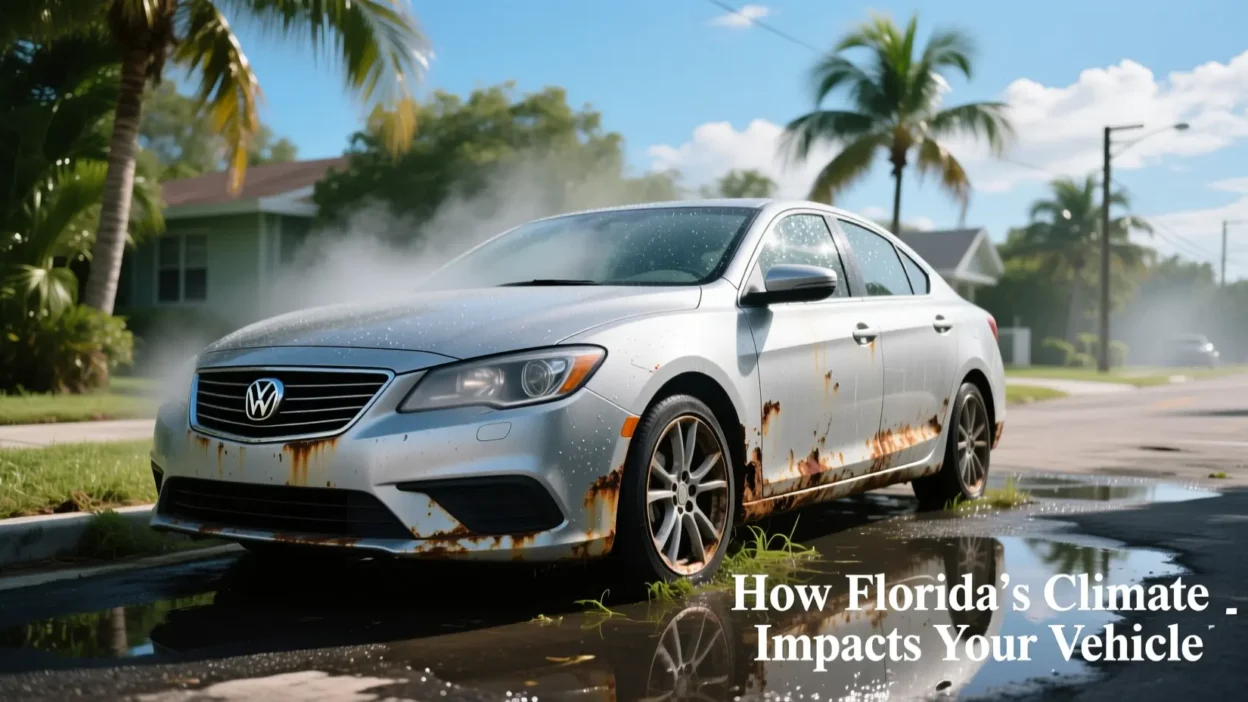
Florida’s sunshine and warm coastal air may be appealing, but for your vehicle, the state’s climate can be unforgiving.
Extreme heat, intense humidity, sudden rainstorms, and powerful UV exposure all work together to accelerate vehicle wear and increase the risk of mechanical failure. Compared to cooler regions, cars in Florida face harsher conditions year-round, which can shorten lifespan and compromise safety.
When climate-related vehicle failures contribute to crashes, determining responsibility can be complicated.
In such cases, many drivers turn to experienced legal professionals to assess liability and navigate insurance disputes.
Understanding how Florida’s climate affects your car is the first step toward prevention, safety, and informed decision-making on the road.
Extreme Heat Puts Constant Stress on Tires
High temperatures cause air inside tires to expand, increasing internal pressure. In Florida summers, road surfaces can exceed 130°F, making tire rubber softer and more prone to damage. Over time, heat exposure leads to faster tread wear, sidewall cracking, and an elevated risk of blowouts.
Tire failures are especially dangerous on highways, where sudden loss of control can result in severe accidents. Florida’s long interstate routes and high-speed traffic amplify this danger. Regular tire inspections, maintaining proper inflation, rotating tires, and replacing them before they become worn are essential safety practices in hot climates.
Engine Overheating Becomes More Likely in Hot Conditions
Engines generate significant heat even under normal driving conditions. In Florida’s climate, that heat is harder to dissipate, particularly during stop-and-go traffic or extended trips with the air conditioning running at full capacity.
Low coolant levels, aging hoses, failing radiators, or clogged cooling systems can quickly lead to overheating. Additionally, engine oil and transmission fluid degrade faster in high temperatures, reducing lubrication and increasing internal friction. Without timely maintenance, these issues can escalate into sudden breakdowns or engine failure while driving.
Humidity Damages Electrical Systems and Sensors
Florida’s high humidity introduces another challenge: moisture. Humid air accelerates corrosion in electrical connections, battery terminals, and sensors. Modern vehicles rely heavily on electronics for braking, fuel management, steering assistance, and safety systems, making electrical reliability critical.
When moisture interferes with sensors or wiring, drivers may experience warning lights, inconsistent performance, malfunctioning air conditioning, or unexpected shutdowns. Battery life is also reduced in humid environments, often failing without warning.
Intense Sun Exposure Weakens Interiors and Safety Components
Florida’s UV radiation is among the strongest in the country. Prolonged sun exposure causes dashboards to crack, upholstery to fade, and interior materials to degrade. More importantly, extreme heat can affect critical safety components.
Seatbelts may lose tensile strength, steering wheel materials can harden, and airbag components may deteriorate over time. These hidden issues often go unnoticed until a collision occurs, when safety systems may not perform as designed.
Heat Alters Road Conditions and Increases Driving Hazards
High temperatures don’t just affect vehicles—they also change the roads themselves. Asphalt expands and softens in extreme heat, leading to uneven surfaces, potholes, and shifting pavement. Lane markings may fade, reducing visibility and increasing the likelihood of driver error.
On especially hot days, oils trapped in the pavement rise to the surface, a phenomenon known as road “bleeding.” This reduces traction and increases stopping distance, particularly for vehicles traveling at higher speeds.
Air Conditioning Failures Create Serious Safety Risks
In Florida, a functioning air conditioning system is essential. Without it, interior temperatures can rise rapidly, causing dehydration, dizziness, and fatigue. These conditions impair concentration, reaction time, and overall driving ability.
Additionally, AC systems play a role in managing engine heat. When cooling systems fail, both driver safety and vehicle reliability are compromised, increasing the risk of roadside breakdowns or accidents.
Sudden Storms Combine Heat and Rain for Dangerous Conditions
Florida is known for sudden, intense rainstorms that develop quickly. When rain hits hot pavement, it mixes with surface oils to create extremely slick conditions. Hydroplaning can occur even at moderate speeds, catching drivers off guard.
Rapid temperature changes between hot roads and cool rainwater also contribute to pavement cracking and tire damage. These unpredictable conditions make wet-weather driving especially hazardous.
Batteries and Alternators Fail Faster in Hot Climates
Heat significantly shortens battery lifespan by accelerating fluid evaporation and internal corrosion. Alternators are also strained by high electrical demand from cooling fans, air conditioning systems, and onboard electronics.
Failure of either component can result in stalled engines, loss of power steering, or sudden electrical shutdowns—dangerous situations in heavy traffic or at highway speeds.
Florida’s Climate Accelerates Overall Vehicle Aging
Vehicles in Florida experience faster aging due to continuous exposure to heat, humidity, and UV radiation. Components that may last years longer in cooler climates often need earlier replacement in Florida.
Drivers who relocate from other states are often surprised by how quickly tires, batteries, hoses, and seals deteriorate. Proactive maintenance and more frequent inspections are essential for keeping vehicles safe and roadworthy.
Climate-Related Failures and Complex Accident Liability
When a crash results from tire failure, overheating, or electrical malfunction, liability may not be straightforward. Determining fault can involve examining maintenance records, inspecting vehicle components, and evaluating whether a defect, improper repair, or inadequate upkeep contributed to the incident.
These cases often require expert analysis to determine whether responsibility lies with the driver, a manufacturer, or a service provider.
Staying Safe on Florida Roads
Florida’s climate places constant stress on vehicles, but many risks can be reduced through preventive care. Regular tire pressure checks, proper fluid maintenance, clean electrical connections, shaded parking when possible, and prompt attention to warning signs all play a role in vehicle safety.
By understanding how heat, humidity, and sudden weather changes affect your car, you can take proactive steps to avoid breakdowns and reduce accident risks. Awareness, preparation, and consistent maintenance are key to staying safe on Florida’s demaning roads.