

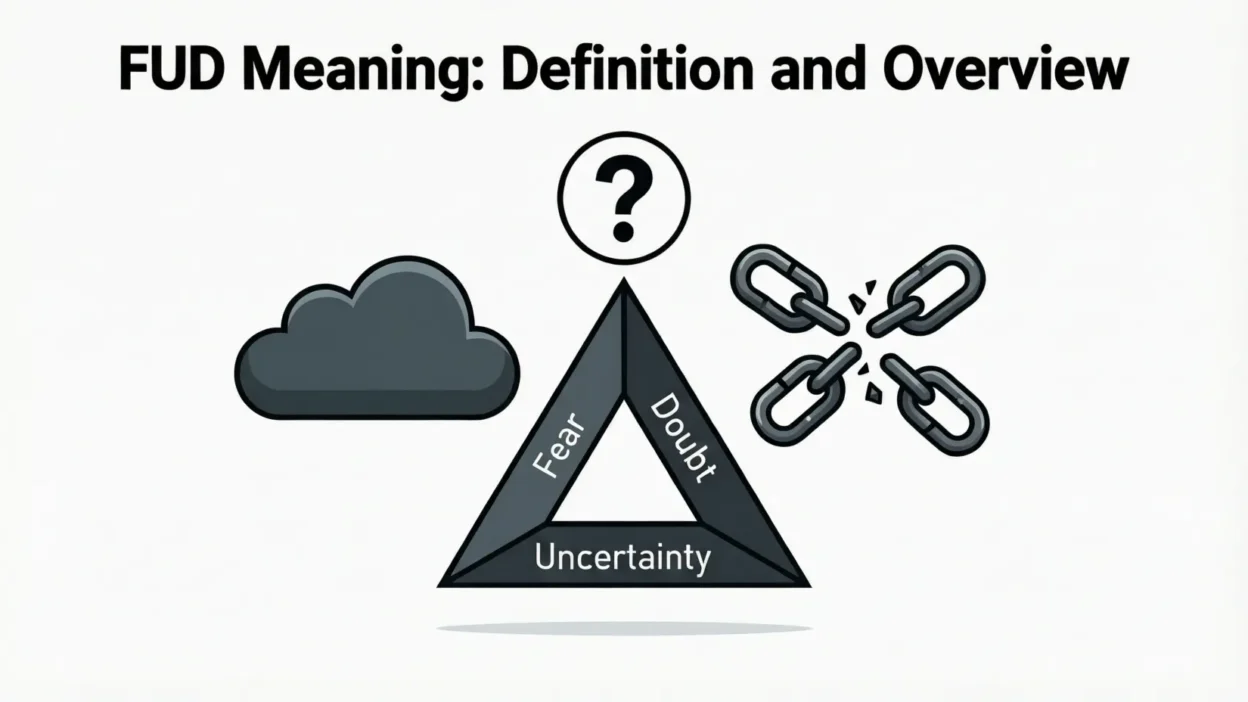
Understanding FUD Meaning helps you spot when doubt and fear are being used to influence opinions. FUD stands for “Fear, Uncertainty, and Doubt.” It describes a communication tactic or strategy used to influence perception by spreading negative, misleading, or exaggerated information. FUD is often used in marketing, business, technology, and online discussions to sway opinions, create hesitation, or discourage certain actions.
In everyday usage, someone might say:
- “The competitors are spreading FUD to make customers hesitant about our product.”
- “Don’t fall for FUD; check the facts before reacting.”
This guide will explain the meaning of FUD, its origins, real-world examples, and related terms, helping you recognize and respond to fear-based messaging effectively.
What Does “FUD” Mean?
FUD stands for Fear, Uncertainty, and Doubt. It is a tactic often used to influence perception by spreading negative, misleading, or exaggerated information. While it can appear in business, politics, or online communities, its core purpose is psychological: to create hesitation or panic.
Example Sentences:
- “Investors were worried due to FUD about the new crypto regulations.”
- “The company tried to combat FUD spread by competitors about their product safety.”
Key Points to Remember:
- FUD is an acronym for Fear, Uncertainty, and Doubt.
- It is often used to describe misleading information or rumors.
- The term appears in business, technology, politics, and online discussions.
Background and History
The term FUD originated in the 1970s in corporate America. It was first attributed to marketing and competitive strategies, where companies used it to create fear about a competitor’s product or service. Over time, the term spread to technology, finance, and online communities.
Historical context and notable appearances:
- IBM reportedly used FUD in the 1970s to describe tactics against rival computer companies.
- In cryptocurrency, FUD is common when market participants spread rumors about regulation, security, or adoption.
- FUD has become part of internet slang, especially in forums, social media, and digital communities.
In short, FUD evolved from a corporate tactic into a widely recognized concept describing negative influence, speculation, or psychological pressure.
Usage in Various Contexts
1. Business and Marketing
FUD is often discussed in corporate strategy to warn against competitor tactics or market manipulation.
Example:
“The startup launched a campaign to counter FUD about their product’s reliability.”
2. Cryptocurrency and Finance
In crypto markets, FUD refers to rumors or news that can create panic selling or hesitation among investors.
Example:
“Bitcoin prices dropped due to FUD about a government ban.”
3. Everyday Conversation
FUD can appear in casual speech when describing fear or doubt caused by rumors or exaggeration.
Example:
“Don’t let FUD influence your decision—check the facts first.”
4. Online and Social Media
FUD is common in forums, social media threads, and group chats where misinformation spreads quickly.
Example:
“The post about the app’s security flaw was pure FUD.”
FAQs
What does FUD mean in crypto?
In cryptocurrency, FUD describes rumors or negative information that causes fear, uncertainty, or doubt among investors.
Is FUD always false?
Not necessarily. FUD can include true concerns, but it is often exaggerated or presented in a way to provoke panic.
Can FUD affect decisions?
Yes. FUD can influence investment, purchasing, or social decisions by creating psychological pressure.
Where else is FUD used?
FUD appears in business, politics, technology, and online communities, wherever perception manipulation is possible.
Final Thoughts
Recognizing FUD is key to navigating information critically. Whether in marketing campaigns, tech debates, or online discussions, being able to identify FUD helps you separate fact from fear and make informed decisions confidently.
By staying alert to exaggerated claims or negative messaging, you not only protect yourself from manipulation but also strengthen your analytical thinking.
Mastering the ability to spot FUD empowers you to approach decisions calmly, rely on evidence, and communicate with clarity in both professional and personal situations.